

Blocked vs. Plugged: Why Understanding the Difference in Meibomian Gland Dysfunction Matters in Elmwood Park IL
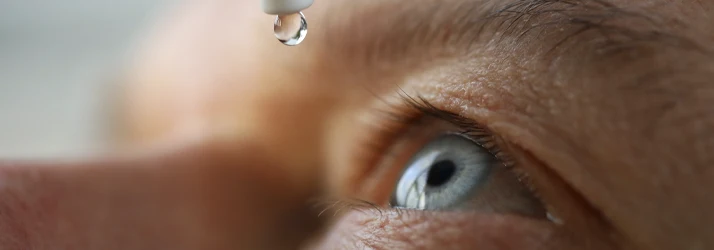
When it comes to dry eye disease, not all Meibomian gland dysfunction (MGD) is created equal. The terms "blocked" and "plugged" are often used interchangeably, even by professionals, but physiologically, they’re quite different. And more importantly? They require very different treatment approaches.
What’s the Difference?
Plugged Glands (Distal Obstruction):
Think of this as oil that's gotten too thick to flow. It's sitting at or near the distal opening of the gland — maybe from environmental stress, hormonal shifts, or evaporative overload.
- Common symptoms: mild to moderate dryness, blurry vision, reflex tearing
- Typical signs: capped glands, inspissation, expressible meibum
Often treatable with:
- Warm compresses
- Manual gland expression aka Micro-Blepaharo-Exfoliation
- LipiFlow®, iLux®, TearCare®
- IPL (Intense Pulsed Light)
- Omega-3s and lid hygiene
These are valuable, frontline therapies for patients in earlier or more functional stages of evaporative dry eye.
Blocked Glands (Proximal Obstruction):
Now we’re talking about true mechanical obstruction — deeper in the gland, often due to periductal fibrosis, scarring, or collapsed ductal walls. The oil isn’t just thick… it can’t physically exit the gland at all. In these cases, heat and pressure won’t help.
- Common symptoms: lid tenderness, constant irritation, flare-ups after failed treatments
- Typical signs: non-expressible glands, pain upon expression, gland dropout Requires specialized treatment: Meibomian Gland Probing(MGP)
At our clinic, we perform probing using 1mm, 2mm, and 4mm micro-dilators to reach various gland depths. The goal is to break through fibrotic scar tissue, relieve intraductal pressure, and re-establish normal gland function.
Why Does This Matterin Elmwood Park IL?
Patients who seem non-responsive to IPL, RF, or LipiFlow may not be treatment failures — they may simply be misdiagnosed. Many have been told “there’s nothing more we can do” when in reality, their glands are blocked, not just plugged.
Knowing the difference between these two conditions can change the trajectory of a patient’s care.
Let’s Collaborate
Whether you're an optometrist, ophthalmologist, dermatologist, or PCP seeing chronic dry eye patients, consider referring those tough cases for diagnostic imaging and evaluation. We’ll provide clear meibography, a treatment plan, and optional co-management.

OFFICE HOURS
Monday
9:00am - 5:00pm
Tuesday
10:00am - 7:00pm
Wednesday
Closed
Thursday
10:00am - 6:00pm
Friday
9:00am - 5:00pm
Saturday
8:00am - 1:00pm
Sunday
Closed

Oko Medical EyeCare
2500 N Harlem Ave
Elmwood Park, IL 60707